Cute Fish 04 Embroidery Design: Real Project Review
When I first opened the Cute Fish 04 machine embroidery design, I was checking it for a client who wanted custom baby shower gifts. The applique style immediately felt right for the project. There is something about the shape and layout of this fish that reads as playful without being overwhelming. It is not a hyper-detailed design. It is clean, recognizable, and built for real stitching. That matters when you are sewing for paying customers or making items for a craft fair.
In this review, I will walk through how Cute Fish 04 performs in actual embroidery work. I will cover what it looks like on different products, where it shines, where you need to be careful, and how it fits into a small shop or handmade business. This is not a marketing pitch. It is practical judgment from someone who has tested hundreds of embroidery files and sewn thousands of finished products.
First Impressions: Mood and Practical Fit
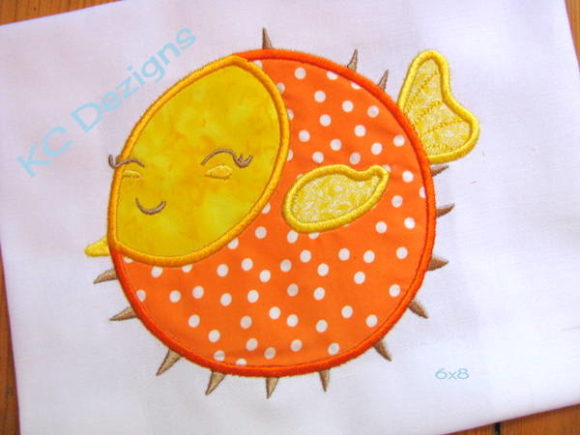
The Cute Fish 04 applique design has a cheerful, approachable feel. The fish shape is rounded and friendly, making it a natural fit for children's items, nursery decor, and casual apparel. The applique construction means you get clean edges and solid color blocks, which is ideal for projects that need to hold up to washing and wear. The design does not rely on tiny details that might get lost in the fabric. Instead, it uses bold shapes and clear satin stitch outlines.
For an embroidery file in the fish category, this one hits a sweet spot between cute and usable. It is not cartoonish in a way that limits it to toddler gear. With the right thread colors and fabric choices, it could work for beach towels, tote bags, or even a playful kitchen towel. The applique approach also keeps stitch count reasonable, which reduces sewing time. That is a real advantage if you are running a craft business and need to produce multiple items efficiently.
Real Scenario: Custom Baby Gift Set
I used Cute Fish 04 for a custom order of baby onesies and a matching tote bag. The customer wanted something ocean-themed for a nursery. I stitched the design on a light blue cotton onesie and a natural canvas tote. The applique fabric I chose was a soft cotton print in a coordinating shade. The satin stitch border came out clean and consistent on both fabrics. The fill stitch areas inside the fish were smooth without puckering.
On the tote bag, the design had enough visual weight to stand out without overpowering the bag. The customer wanted the fish to be the focal point, and it delivered. The finished products looked like something you would buy at a boutique, not a mass-produced item. That is exactly what personalized gifts should feel like.
Where Cute Fish 04 Works Best
Based on my testing, this design is versatile across several product categories. Here is where it performs well:
- Custom apparel – t-shirts, sweatshirts, and baby onesies. The applique layers sit nicely on knit fabrics when you use a cutaway stabilizer.
- Accessories – tote bags, aprons, and pillow covers. The design is bold enough to read on canvas and cotton blends.
- Home decor – nursery wall art, baby blankets, and decorative pillows. The fish theme is gentle enough for a child's room.
- Embroidered patches – because the applique construction is self-contained, you can easily stitch it on patch material and trim it out.
- Beach towels – the product description mentions towels, and I agree. The design is simple enough to handle terry cloth with proper stabilizer.
For Etsy sellers and small shop product makers, this design gives you a lot of options. You can offer it on multiple product types without needing to buy separate files. The digital embroidery file is a one-time purchase that can generate many finished items.
Areas That Need Careful Attention
No embroidery design is perfect for every situation. Cute Fish 04 has a few considerations that you should account for before stitching:
- Hoop size – check the recommended hoop size before you start. If you are working with a small hoop, the design may be too large for some baby items. Always test the fit on your actual garment.
- Fabric texture – applique designs work best on stable fabrics. On very stretchy knits, use a stabilizer that prevents shifting. Test on scrap fabric first.
- Dark fabric – if you stitch on dark fabric, choose a light applique fabric for contrast. The satin stitch will outline the fish, but the applique block needs to stand out.
- Curved surfaces – caps and hats can be tricky. The design is not overly tall, but it still needs a flat hoop or a cap frame. Test on a practice hat before committing to a customer order.
- Washing durability – applique edges can fray over time if the satin stitch is not dense enough. Check the stitch density in your software and adjust if needed.
These are not dealbreakers. They are simply points to check during your embroidery project planning. Every experienced embroiderer knows that testing is part of the process.
Visual Appeal and Product Value
When you stitch Cute Fish 04 on a finished product, the visual impact is friendly and professional. The applique style gives the design a dimensional look that flat embroidery sometimes lacks. Customers notice that. They see the layered fabric and the crisp satin stitch, and they perceive higher quality. That translates to higher perceived value for your handmade product.
For small business owners and apparel decorators, this is important. The design helps you build brand consistency if you use it across multiple product types. The fish theme is specific enough to be memorable but broad enough to fit a range of items. It also works well in printable mockups for your online listings. The clean shape reads clearly even in digital previews.
I have found that personalized gifts with this design get positive reactions. The fish is cute without being saccharine. Parents appreciate the handmade feel, and the applique construction holds up to repeated washing. That means fewer returns and happier customers.
Stitching Clarity and Technical Notes
From a technical standpoint, Cute Fish 04 is a solid machine embroidery design. The applique layers are clearly defined, and the satin stitch outlines are consistent. The fill stitch areas inside the fish are not overly dense, which helps with fabric stability. I did not notice any jump stitches that would cause thread breaks or trimming issues.
Here are a few practical embroidery designer notes based on my test runs:
- Thread color contrast – choose applique fabric that contrasts with the background fabric. The satin stitch will define the edges, but the applique block itself needs to be visible.
- Stabilizer choice – for most fabrics, a medium-weight cutaway stabilizer works well. For stretchy fabrics, use a tearaway with a topper to prevent sinking.
- Stitch density – check the design in your embroidery software. If the satin stitch looks too loose, you can adjust the density slightly. Most machines handle the default settings just fine.
- Test in black and white – before stitching, view the design in grayscale to see if the contrast works. This is especially helpful if you are using dark thread colors.
- Light and dark fabric – test the design on both light and dark backgrounds to see which version looks best. The fish may pop more on one than the other.
These steps are part of my standard workflow for any new embroidery file. They save time and materials in the long run.
Commercial Use and Licensing
If you are a small shop product maker or Etsy seller, you need to check the licensing for Cute Fish 04 before using it commercially. The product description states it is a machine applique embroidery design and that you need an embroidery machine to use it. It does not specify license terms. Always confirm with the seller whether you are allowed to sell finished items made from this design. Some designers allow unlimited commercial use. Others require a separate license. Do not assume. Get it in writing.
For digital product sellers and creative entrepreneurs, the same applies. If you plan to include this design in a bundle or sell it as part of a design assets collection, you need explicit permission. Respect the designer's work. That is how the embroidery community stays healthy.
Customer Reactions and Engagement
When I used Cute Fish 04 for a craft fair, the design drew attention from parents and grandparents. They liked the applique texture and the bright colors. Several people asked if I could customize the fish with a name or initials. That is a perfect upsell opportunity. The design has enough blank space around it to add small lettering without crowding the fish.
For buyer engagement, the design encourages conversation. People ask about the fish, the fabric choices, and the stitching process. That is a sign that the design has emotional appeal. It makes your handmade presentation more memorable.
Final Practical Thoughts
Cute Fish 04 is a reliable applique design that works well for a range of custom apparel and personalized gifts. It is not a complex design, but that is a strength. It stitches cleanly, reads clearly, and holds up in production. For embroidery designers and small business owners, it is a solid addition to your library.
Before you use it, do your due diligence. Test the design on scrap fabric. Check the thread colors against your fabric. Confirm the hoop size for your specific project. Verify the licensing for commercial use. These steps are routine for any embroidery project, and they will save you from mistakes on final products.
If you are looking for a fish design that is both cute and practical, this one deserves a spot in your collection. It will serve you well across multiple product types and customer requests.