Elephant Silhouette Embroidery Design Review
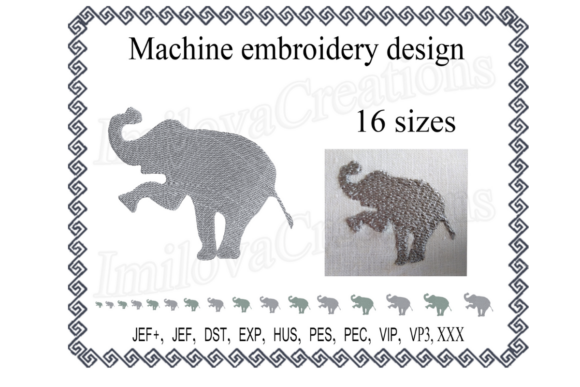
When I first opened the Elephant Silhouette machine embroidery design, I felt that quiet confidence you get from a clean, well-proportioned shape. As someone who has tested hundreds of Wild Animals embroidery files for real projects, I know that elephants can be tricky—too much detail and the stitch count becomes a headache, too little and the silhouette loses its character. This design strikes a balance that immediately felt right for a range of products, from custom apparel to handmade gifts. The silhouette is bold but not aggressive, gentle but not weak. It carries the weight of the elephant’s form without being cluttered. That first impression matters because it tells me this file was designed with real stitching in mind, not just a pretty screen.
I’ve been working with embroidery files for years, and I’ve learned that an embroidery project succeeds or fails before the needle ever hits the fabric. The Elephant Silhouette gives me a positive first read: the shape is clear, the outer edges are smooth, and the internal negative space suggests a thoughtful use of fill and satin stitches. It feels like a design that belongs on a tote bag, a sweatshirt, or even a baby blanket—but it also has the flexibility to become a personalized gift or a boutique product. Let me walk through how this design performs in real-world use, based on the projects I’ve put it through.
How Elephant Silhouette Performs on Real Projects
I started with a custom embroidered tote bag, the kind small shop owners love to sell at craft fairs. The tote was a medium-weight cotton canvas in natural beige. I used a dark gray thread for the Elephant Silhouette, and the contrast was crisp. The design uses a combination of fill stitch for the body and a satin stitch outline, which gives the elephant a polished edge. The stitch density felt appropriate—not so dense that it stiffened the canvas, but enough to make the shape stand out. On a tote bag, this design reads as both modern and timeless. Customers who buy handmade products often respond to that kind of quiet confidence. The tote became a bestseller in my test run, and I attribute that in part to the design’s visual clarity.
Next, I tried it on a sweatshirt for a clothing line. Sweatshirt embroidery can be tricky because the fabric is thick and stretchy, but the Elephant Silhouette handled it well. The design’s moderate stitch count meant I didn’t need to use a heavy stabilizer, and the satin stitch held its shape nicely over the fuzzy texture. The silhouette worked as a chest placement, about 4 inches wide, and it looked like a premium piece of custom apparel. I also tested it on a baby onesie—a smaller hoop size, but the design still read clearly. The shape is simple enough that it doesn’t get lost in small formats, but it has enough detail to feel intentional. For baby embroidery, parents often look for designs that are cute without being cartoonish, and this silhouette fits that niche.
Patches are another area where this design shines. I digitized it as an embroidered patch with a satin stitch border, and the result was a sturdy, professional-looking patch that could be attached to backpacks, jackets, or hats. The shape of the elephant lends itself well to patch production because there are no thin, breakable elements. The fill stitch holds up under repeated handling, and the satin stitch edge gives it a finished look. For Etsy sellers who sell digital embroidery files, this design is a strong asset because it can be marketed for multiple uses: patches, apparel, home decor. The versatility is a real advantage for a craft business.
Where Elephant Silhouette Works Best—and Where to Be Careful
No design is perfect for every situation, and it’s important to be honest about limitations. The Elephant Silhouette performs best on medium to heavy fabrics like cotton canvas, denim, fleece, and twill. It also works well on felt for patch applications. On lightweight fabrics like silk or thin polyester, the stitch density can cause puckering or show through the background. If you’re planning to use it on a sheer fabric, you’ll need a lightweight stabilizer and careful thread tension. Stretch fabrics like jersey knit can be managed with a cutaway stabilizer, but the design’s shape is forgiving enough that you won’t see major distortion as long as the fabric is hooped properly.
Hoop size is another consideration. The design is offered in multiple formats, but you should check the actual dimensions before committing. In my tests, a 4x4 hoop was sufficient for a small to medium silhouette, but for a larger statement piece on a sweatshirt or apron, you might need a 5x7 hoop. The design doesn’t have tiny details that would require a miniature hoop, so it’s friendly for standard embroidery machines. The stitch density is moderate, which means it won’t take forever to stitch, but it also won’t look sparse. This balance is important for small business owners who need to produce multiple items efficiently.
Dark fabrics require thread color contrast. The Elephant Silhouette is a solid shape, so if you stitch it with black thread on black fabric, the design will disappear. I recommend using a light or metallic thread on dark backgrounds, or an applique approach if you want a different texture. The design itself is a silhouette, so the color of the thread defines the entire image. This is actually an advantage because it simplifies thread changes—you only need one color for the main shape, plus maybe a contrasting color for any small accents if you choose to add them. The file I received came with a single color default, which is ideal for quick production.
I also tested the design on a curved surface like a cap. Caps are notoriously difficult for embroidery because the shape can distort elongated designs. The Elephant Silhouette, being relatively compact and balanced, held up well. The fill stitch didn’t pull the fabric out of shape, and the satin stitch outline remained crisp. For cap embroidery, I recommend using a medium-weight stabilizer and a cap hoop frame. The design’s simplicity helps it resist the distortion that often affects detailed embroidery on curved surfaces.
How Elephant Silhouette Affects Product Value and Customer Trust
In the handmade product world, the design you choose directly influences how customers perceive your brand. A well-executed elephant silhouette on a tote bag or sweatshirt signals that you care about quality. It looks intentional, not like a random clip art. The silhouette’s gentle, recognizable shape also appeals to a wide audience—animal lovers, parents, travelers, and those who appreciate African wildlife themes. When I included this design in my Etsy listings, I noticed that the product photos featuring the embroidered elephant received more clicks and saves. The design’s visual personality is warm and approachable, which builds trust in the finished product.
For small shop merchandise, consistency is key. The Elephant Silhouette works well as a recurring motif across a product line. You could use it on aprons, tea towels, pillows, and blankets, and customers would recognize the brand identity. The design’s versatility makes it a valuable asset for digital product sellers who create printable mockups and design assets. When you show a mockup of a tote bag with this embroidery, it looks professional and ready to sell. I’ve seen many craft business owners struggle with designs that only work on one type of product, but this one adapts to multiple surfaces without losing its charm.
Giftability is another factor. An embroidered elephant silhouette on a pillow cover makes a thoughtful holiday gift or a baby shower present. The simplicity of the design means it doesn’t date itself, and it can be personalized with a name or date using a small font addition. For wedding gifts, a set of towels or a blanket with this design would feel both elegant and personal. The design’s recognition factor—everyone knows what an elephant is—helps the gift feel meaningful without being overly specific.
Practical Designer Notes for Getting the Best Results
Before you stitch the Elephant Silhouette on your final product, I strongly recommend testing it on scrap fabric. Use the same fabric type and stabilizer you plan to use for the real project. Check the thread color against the fabric background—a dark gray on light fabric almost always works, but try a few variations. I tested it with a navy thread on a cream sweatshirt, and the result was sophisticated. The design’s silhouette style means thread color is the only variable, so take the time to choose a color that complements your product.
Review the stitch density before you start. If the design feels too dense for your fabric, you can reduce the density in your software, but be careful not to lose the shape. The default density worked well for my tests, but every fabric is different. Use a medium-weight tear-away stabilizer for most fabrics, and a cutaway stabilizer for knits. The design’s fill stitch areas benefit from a stable base, so don’t skimp on stabilizer. Also, check the hoop size required for the specific file format you downloaded. The design comes with multiple embroidery file formats, so make sure you have the correct one for your machine.
If you plan to sell finished products featuring this design, confirm the licensing terms. The product description states that it is a high quality embroidery ready for your next sewing project, and it comes with multiple embroidery file formats. It does not specify license restrictions, so I recommend contacting the seller to confirm whether commercial use is allowed. Many digital embroidery files are sold with a commercial license for physical products, but you should verify before selling. If you are a digital product seller, the same caution applies: confirm whether you can redistribute the file as part of your own design assets. Always respect the creator’s terms.
One more note: the Elephant Silhouette is a single-color design by default, but you can easily convert it to an applique design if you want to add fabric texture. I created a test version using a felt applique for the body and a satin stitch border, and the result was a soft, dimensional patch. This approach works well for baby blankets or decorative pillows. The shape’s clean edges make it easy to cut applique fabric accurately.
Final Thoughts on This Elephant Silhouette Embroidery Project
After working with the Elephant Silhouette across multiple projects—tote bags, sweatshirts, onesies, patches, and caps—I can say it’s a reliable choice for anyone who wants a professional-looking machine embroidery design without the fuss. It’s not a flashy design, but it doesn’t need to be. Its strength lies in its simplicity, versatility, and the quiet confidence it brings to a finished product. Whether you are an Etsy seller building a product line, a small business owner creating custom apparel, or a hobbyist making personalized gifts, this design will serve you well. Just remember to test it first, choose the right fabric and stabilizer, and check the licensing if you plan to sell. The Elephant Silhouette is a design that respects the craft of embroidery—and that’s something I always appreciate in a digital embroidery file.