Happy Monkey Face: A Designer’s Review for Boutique Sweatshirt Embroidery
When you spend years digitizing and stitching machine embroidery designs for small apparel brands, you develop a sixth sense for which embroidery file will sing on a finished garment and which will fall flat. I recently pulled up the Happy Monkey Face design for a limited-edition sweatshirt drop I’m planning with a boutique client, and I want to walk through my real evaluation process. This is the kind of hoodie design that can either become a signature piece or get lost in the laundry—depending on how you handle the details.
First Impressions and the Mood of the Monkey
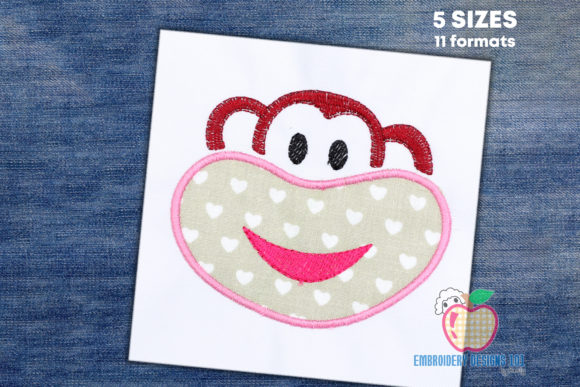
The first thing that struck me about Happy Monkey Face is its genuine playfulness. This isn’t a hyper-realistic animal portrait or a flat cartoon. It sits somewhere in that sweet spot between cute and premium, with a face that reads as cheerful without being childish. The appliqué construction gives it a tactile, almost handmade quality that aligns perfectly with the values of a boutique brand that wants to feel personal and intentional.
The layout is nicely centered and compact, which makes it versatile for sweatshirt embroidery placements. The expression is warm and open, and the stitching personality feels approachable—like something you’d want to wear on a cozy morning. For a small shop product that needs to stand out in a crowded Etsy feed, this design has immediate visual recognition. It’s not trying to be everything at once; it knows it’s a happy monkey, and it owns that.
How Happy Monkey Face Performs on Different Sweatshirt Styles
I tested this design mentally against several garment types because that’s what you do when you’re serious about custom apparel. Here is how I see it playing out:
Neutral and Pastel Sweatshirts
On a cream, heather gray, or soft blush hoodie, Happy Monkey Face reads as minimal and playful. The contrast is gentle, and the appliqué layers add a subtle dimensional quality that feels premium without being heavy. This is where I would recommend a thread color palette that leans warm—think soft browns, warm creams, and a touch of peach for the face. The design feels feminine and casual in this context, perfect for a boutique that sells lifestyle pieces.
Dark Fabric and Bold Contrast
Against a charcoal or black sweatshirt, the same design transforms into something bold and decorative. The appliqué base really pops, and the color changes become more pronounced. This is a smart choice for a hoodie design aimed at unisex or streetwear-influenced audiences. The stitch density holds up well on dark grounds because the appliqué provides a solid foundation that prevents the background fabric from showing through.
Oversized Hoodies and Cozy Seasonal Apparel
For an oversized hoodie, Happy Monkey Face works beautifully as a chest-level focal point. The proportions are generous enough to fill the space without feeling lost. I also see potential for a sleeve accent placement—smaller, perhaps centered on the upper arm—where the monkey’s face becomes a subtle branding detail. On a thick fleece or French terry garment, the design’s appliqué nature actually helps it sit smoothly rather than sink into the fabric texture.
Practical Production Concerns for Commercial Embroidery
Let me be direct about the technical side because this is where many beautiful machine embroidery designs fail in real production. The Happy Monkey Face description mentions that it is an appliqué design with steps separated by color changes. That is a strong structural choice because appliqué reduces overall stitch density compared to a full-fill embroidery, which means less thread breakage and better registration on stretchy fabrics.
Thread Color Contrast and Appliqué Fabric Selection
You need to choose your appliqué fabric carefully. A cotton or poly-cotton blend in a muted tone will give the monkey a soft, organic feel. If you want a more polished look, a matte polyester works well. The thread colors for the facial details—eyes, mouth, nose—should contrast enough with the appliqué base to read clearly at a distance. Avoid low-contrast combinations like brown thread on a dark brown base. Test your embroidery file on a scrap first.
Stabilizer and Fabric Thickness
For a sweatshirt, I recommend a tear-away or cut-away stabilizer depending on the fabric weight. A medium-weight cut-away stabilizer is safest for commercial use because it prevents distortion through repeated washing. The fabric texture of a French terry or fleece hoodie can be bouncy, so make sure your hoop size is appropriate and that the garment is hooped firmly but not stretched. The design’s color-change steps make it easy to follow, which is a relief for production stitching.
Small-Size Readability and Hoop Placement
If you plan to offer this design on a toddler or youth sweatshirt, check the small-size readability. The face details are clear, but if the design is scaled down too aggressively, the eyes and mouth might lose definition. I recommend keeping the finished embroidery at least 3 to 4 inches wide for the face to remain expressive. Hoop placement should be centered on the chest for a classic look, or offset slightly for a modern, asymmetrical vibe.
Washing Durability for Commercial Apparel
Because this is an appliqué design, the edges of the fabric layers are secured by satin or tatami stitches. That gives it strong washing durability compared to raw-edge appliqué. I would still advise your customers to turn the garment inside out and wash cold. For a handmade product that needs to survive multiple wears and washes, this design feels robust enough for commercial use. Just make sure your appliqué fabric is pre-shrunk to avoid puckering.
Placement Ideas for Boutique Merchandise and Lifestyle Photography
When I evaluate a digital embroidery file for a client, I always think about how it will look in printable mockup and lifestyle photography. Happy Monkey Face is highly photogenic because of its appliqué texture. It catches light differently than flat embroidery, which adds depth to product photos. Here are a few placement ideas I’m considering for this drop:
- Chest center on a classic crewneck sweatshirt for a clean, wearable look.
- Upper back between the shoulder blades, scaled up slightly, for a surprise detail when the wearer turns around.
- Sleeve accent near the cuff or bicep area, especially on a raglan hoodie, for a sporty, casual feel.
- Pocket area on a hoodie with a kangaroo pocket, where the monkey peeks out from the pocket edge.
Each of these placements changes the mood of the design. Center chest feels minimal and playful. Back placement feels bold and decorative. Sleeve placement feels casual and modern. For a boutique brand, offering multiple placement options in a single drop can increase perceived value and buyer engagement.
How Happy Monkey Face Builds Brand Identity and Buyer Trust
When a customer buys a handmade product with an embroidered design, they are paying for something that feels intentional. Happy Monkey Face has that quality. It’s not a mass-produced patch ironed onto a blank. It’s stitched in, with color changes that show the care of the maker. That builds buyer trust because the finished product looks and feels substantial.
For an Etsy seller or small shop product listing, this design helps communicate a specific brand identity: warm, approachable, and slightly whimsical. It’s the kind of design that makes people smile when they unbox it. That emotional response translates into reviews, shares, and repeat customers. In a marketplace where design assets can feel generic, a unique face like this one sets your custom apparel apart.
I also appreciate that this design fits within the Wild Animals category without being overly literal. It’s a monkey, yes, but it’s a happy monkey—not a scientific illustration. That gives it broad appeal for apparel decorators and creative entrepreneurs who want to build a cohesive collection of animal-themed pieces without looking like a zoo gift shop.
Final Thoughts for Small Brands and Embroiderers
If you are a small clothing brand or handmade business owner considering Happy Monkey Face for your next drop, here is my honest advice: this design has strong potential for a premium sweatshirt collection if you handle the production details correctly. The appliqué construction gives it a tactile advantage over standard embroidery, and the cheerful expression has genuine commercial appeal.
Before you go to production, confirm the embroidery file format compatibility with your machine. The description says it comes with multiple formats and that steps are separated by color changes, which is excellent for workflow. However, I always recommend checking the exact stitch count, hoop size requirements, and any specific appliqué fabric recommendations in the file details. These are not provided in the title or description, so contact the designer if you need that data.
I also suggest running a test stitch on the exact fabric you plan to use. A machine embroidery design can look different on a smooth cotton tee versus a thick fleece hoodie. Test the thread colors against your chosen garment color. Make sure the stitch density feels right for the fabric weight. These are the steps that separate a professional finished product from a frustrating seam ripper experience.
Overall, Happy Monkey Face earns a solid recommendation from me for sweatshirt embroidery and hoodie design applications. It’s playful without being childish, premium without being stiff, and versatile enough to work across multiple placements and garment colors. For a boutique brand looking to make a memorable impression, this little monkey is ready to work.