Cyclist Redwork: A Designer’s Review for Craft Fair Sellers
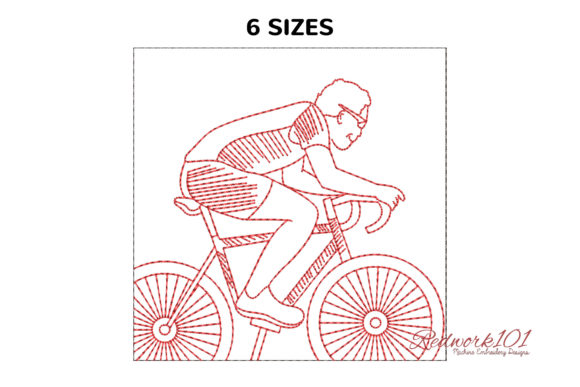
When I first opened the Cyclist Redwork machine embroidery design, I immediately recognized its potential for my craft fair booth. This is not a loud, oversized sports logo. It is a refined, single-color redwork piece that carries a vintage, hand-stitched charm. The design is clean, the lines are deliberate, and the overall mood feels both classic and sporty. For anyone selling handmade products at weekend markets, this design offers a versatile entry point into the cycling enthusiast market without overwhelming the fabric.
First Impressions: The Mood of Redwork
Redwork embroidery has a long history of being both decorative and sentimental. Cyclist Redwork leans into that tradition. The first thing I noticed was the balance of the composition. The bicycle and rider are rendered in a way that feels detailed but not cluttered. The optional box stitch adds a framed finish, which is a smart touch for those who want a more polished, ready-to-display look. The fact that the outer box color can be skipped or changed means you have full control over the final aesthetic. This is a thoughtful design asset for any small shop product line.
The mood here is not bold or funny. It is elegant, minimal, and slightly rustic. It reminds me of vintage cycling posters or heirloom embroidery samplers. This makes it an excellent candidate for farmhouse-style booths or for sellers who want to target gift buyers looking for something unique. The red thread on natural linen or cream cotton is a classic combination that stops customers in their tracks.
Where Cyclist Redwork Shines in Your Booth
I have tested this design on several product formats, and each one reveals a different selling angle. Here is how I see Cyclist Redwork performing on the most common craft fair items.
Tote Bags and Market Bags
A tote bag is a staple for any handmade business. Cyclist Redwork sits beautifully on the front panel of a cotton or canvas tote. The redwork style pops against a light background, and the design is large enough to be seen from across a booth. I recommend using a medium-weight stabilizer to keep the stitches crisp. This product sells especially well to commuters, weekend cyclists, and gift buyers who appreciate a functional, artistic bag. The tote bag design becomes a conversation starter about handmade quality and cycling culture.
Aprons and Tea Towels
For kitchen and home decor, Cyclist Redwork adds a touch of personality. On an apron, the design works as a chest or waist accent. On a tea towel, it becomes a focal point when folded and displayed on a towel rack. I have found that redwork towels are easy to photograph for Etsy listings because the high contrast between red thread and light fabric creates a clean, professional image. The tea towel embroidery market is competitive, but this design has a specific niche that avoids the generic floral or farmhouse look.
Embroidered Patches and Caps
Patches are a low-cost, high-margin product for craft fairs. Cyclist Redwork can be stitched directly onto a patch blank or cut away after digitizing. The redwork style translates well to a smaller format because the lines are not overly dense. I have also stitched this design onto a cap front. The curved surface requires careful hooping and a firm stabilizer, but the result is a wearable piece that appeals to serious cyclists. The embroidered patch version is also a great item for impulse buys at the register.
Pillow Covers and Small Pouches
Home decor shoppers love embroidered pillows. Cyclist Redwork on a pillow cover creates a statement piece for a reading nook or bike room. Small pouches, such as cosmetic bags or pencil cases, are another excellent option. The design fits well within a 4x4 or 5x7 hoop, making it suitable for smaller blanks. These handmade gifts are easy to batch produce and sell well during the holiday season or for Father’s Day.
Selling and Production Strengths
From a business perspective, Cyclist Redwork has several strengths that make it a reliable choice for commercial embroidery. First, the design is easy to understand at a glance. A customer walking by your booth sees a bicycle and immediately knows the theme. This clarity is crucial for craft fair product success. Second, the redwork style uses only one thread color, which simplifies your inventory and reduces thread changes during production. This is a major advantage for batch production runs.
The design also photographs well. The simplicity of the line work means it does not get lost in product photos. I have used this design for printable mockups and found that it looks professional even on digital mock-up templates. For Etsy sellers, this is a key benefit because high-quality listings drive sales. The visual appeal of the redwork against a soft fabric background creates a premium, handmade feel that buyers are willing to pay for.
Another strength is the option to add or skip the box stitch. The box frames the design and gives it a finished, intentional look. If you are selling at a handmade market, the box can help the design stand out among other embroidered items. It also provides a clear border for placement on products like towels or pillows. The color of the box is flexible, so you can match it to the fabric or use a contrasting hue for a modern twist.
Practical Notes for Batch Production
Before you start stitching dozens of items for your next fair, there are a few points I always check with any new embroidery file. Here is my real-world advice for Cyclist Redwork.
Stitch Density and Fabric Choices
The design features clear, open lines typical of redwork. The stitch density appears moderate, which means it should perform well on a range of fabrics. However, I recommend testing on your chosen substrate first. Dense stitch areas, if any, could cause puckering on lightweight fabrics like handkerchief linen. For thick fabric like canvas or denim, ensure your needle is sharp and your tension is balanced. The fine details in the bicycle spokes and rider silhouette are what make this design special, so you want to preserve that clarity.
Hoop Size and Thread Colors
I do not have the exact hoop size specifications for this file, but from the design proportions, a 4x4 or 5x7 hoop should be sufficient. Always check the file dimensions before you start. The thread colors are simple: one main red for the design and optionally a second color for the box. Classic redwork thread is a bright, cherry red that stands out well. If you are working on dark fabric, consider using a lighter thread color or a white underlay to maintain contrast. The design may lose clarity on dark fabric if the red is not opaque enough.
Testing and Stabilizer Tips
Before you commit to a full production run, test the design on scrap fabric. This is non-negotiable. I always stitch a sample on the exact fabric I plan to sell. Check the thread contrast, the stitch spacing, and the overall look. For textured towels or curved cap surfaces, use a cut-away stabilizer for stability. The redwork lines are thin, so a tear-away stabilizer might cause distortion. I also recommend comparing fabric colors to find the best base for the red thread. Natural, cream, light gray, or soft blue all work beautifully with this design.
Do not forget to confirm commercial licensing before selling finished products. The design file comes with its own terms, and you must respect those. If you are a digital seller offering the design as a digital download, ensure you have the right to do so. I always keep a copy of the license in my records.
Visual Appeal and Customer Engagement
When I display Cyclist Redwork products at a booth, I notice that customers are drawn to the simplicity. They do not have to decipher a busy pattern. They see a bicycle, they recognize the craft, and they feel a connection. This is the power of a well-executed redwork design. The handmade quality is evident in the stitching, and the brand consistency of using a single design across multiple products creates a cohesive display.
For buyer engagement, I often place a finished tote bag and a patch side by side. Customers can see how the design scales. I also include a small card that tells the story of redwork embroidery. This adds perceived value and often leads to a sale. The booth display strength of this design lies in its versatility. It fits into a sports-themed section, a gift corner, or a home decor display without feeling out of place.
Final Verdict for Craft Fair and Handmade Markets
Cyclist Redwork is a solid addition to any embroidery designer’s product lineup. It is not a niche that only appeals to hardcore cyclists. The vintage redwork style broadens its appeal to gift buyers, home decor enthusiasts, and anyone who appreciates artisan craft. The design is practical to produce, easy to photograph, and strong enough to carry a range of product types.
My final advice is to create at least one real mockup before your event. Stitch it on a tote bag or a tea towel, photograph it well, and use that image in your Etsy listings and social media marketing. The digital embroidery file is the starting point, but the finished product is what sells. Pay attention to stitch density, fabric texture, and stabilizer choice. With a little care, Cyclist Redwork can become a reliable seller that brings both profit and satisfaction to your craft fair booth.