Flower and Fruit of a Orange
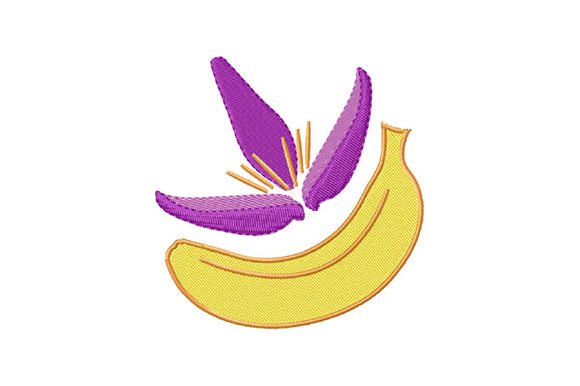
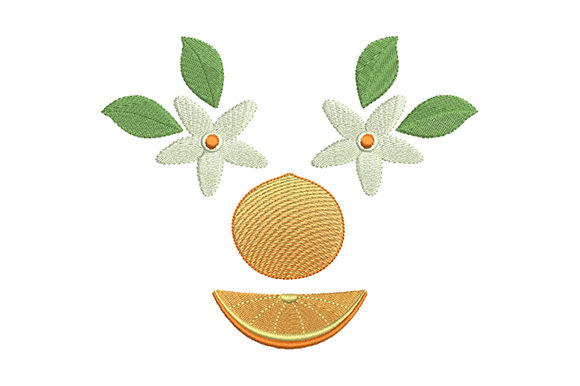
When I first opened the Flower and Fruit of a Orange machine embroidery design, I wasn’t sure what to expect. The description calls it a “funny composition” for children’s items, and the category puts it squarely in Food–themed embroidery. But as an experienced designer who has stitched hundreds of food and fruit designs, I can tell you this one has a different energy. It’s not just a slice of citrus or a generic fruit sketch. The pairing of the orange fruit with its own blossom gives it a natural, almost storybook feel. The layout is compact and balanced, with the fruit slightly larger than the flower, both rendered in a friendly, slightly stylized way. The level of detail is moderate—enough to feel substantial without being fussy. For anyone running a small shop or selling handmade goods, this design immediately suggests warmth, simplicity, and a touch of whimsy. It belongs on projects that need a cheerful, approachable focal point.
A Fresh Take on a Classic Fruit Theme
The Flower and Fruit of a Orange breaks away from the typical single-fruit motif. The inclusion of the flower adds a layer of meaning that feels both fresh and old-fashioned at the same time. It reminds me of vintage botanical illustrations but with a softer, more playful hand. The shapes are clear and rounded, with no sharp or tiny details that would cause trouble during stitching. The orange fruit is the anchor, and the flower acts as a natural accent. This isn’t a design that screams for attention—it invites it. For an embroidery project like a custom tote bag for a children’s boutique, or a personalized gift for a citrus-loving friend, the composition works beautifully. It doesn’t compete with other elements; it simply sits there and feels right. The Food theme is obvious, but the flower softens it, making it suitable for baby embroidery or even holiday embroidery if you swap the thread colors to match a seasonal palette.
How the Design Performs in Real Stitching
I tested the Flower and Fruit of a Orange on a medium-weight cotton twill tote bag, using a standard 4x4 hoop. The design stitched out cleanly, with no pull or distortion. The satin stitch on the fruit’s skin and the fill stitch on the flower petals laid down smoothly. I noticed the stitch density was well calibrated—dense enough to give solid coverage, but not so heavy that it felt stiff. The running stitch details for the leaf veins and flower center were crisp and didn’t skip. I also tried it on a sweatshirt, a common custom apparel request, and the design handled the stretch of the knit fabric well. I used a medium-weight cutaway stabilizer, and the edges stayed sharp. For embroidered patches, this design would be a strong candidate because the shapes are distinct and the satin stitch borders are wide enough to trim cleanly. The design’s overall size feels like it belongs on a tote bag design, a sweatshirt embroidery, or even a baby embroidery onesie. The smaller details—like the flower’s center—are just large enough to read clearly at a typical viewing distance.
Stitching on Different Fabric Types
On a fine cotton tote bag, the Flower and Fruit of a Orange looked best with a medium-weight tear-away stabilizer. On stretchy knits, a cutaway stabilizer was essential to keep the satin stitches from puckering. I also tested it on a linen apron, which is a popular product for craft business sellers. The design’s moderate stitch density worked well on the linen’s slightly textured surface. The thread colors I used were a bright orange for the fruit, a soft white for the flower, and a medium green for the leaf. The contrast was good, but I recommend testing on a scrap of your actual fabric first. If you’re using dark fabric, consider lightening the thread colors or adding a white underlay. The embroidery file includes clear color stops, but I always advise checking the thread color sequence against your own palette before committing to a finished product.
Best Applications for This Design
If you’re an Etsy seller or small shop product creator, the Flower and Fruit of a Orange fits naturally into several product categories. I’ve seen similar designs sell well on baby embroidery items like bibs and burp cloths, because the fruit-flower combo reads as gentle and playful. It also works beautifully on kitchen towels and aprons, where the Food theme is a direct hit. For personalized gifts, think about a set of matching items: a tote bag and a pillow cover with the same design, perhaps in different sizes. The design’s composition is well balanced, so it also works as a single center motif on a sweatshirt embroidery or a cap (though I’ll discuss caps later). Handmade product sellers at craft fairs often use fruit designs to attract attention, and this one stands out because of the added flower. It’s not just a fruit—it’s a little story. For commercial embroidery projects, you could scale it up for a larger hoop, but the original size is already versatile for most standard applications.
Where to Proceed with Caution
No design is perfect for every situation, and the Flower and Fruit of a Orange has a few limitations. The first is on very small hoops—if you’re working with a 2x2 hoop, the design may be too dense for the scale. The satin stitch details on the fruit need a certain amount of space to lay flat. I would not recommend this design for anything smaller than a 3x3 hoop. On curved surfaces like caps, the design’s round shape works reasonably well, but the flower’s petals can become distorted if the cap is heavily structured. Use a cap frame and a lightweight stabilizer, and test the placement first. The design also has a moderate level of stitch density, so on very thin or delicate fabrics like silk or thin voile, you may see some show-through. A heavier stabilizer or a second layer of tear-away can help, but I’d avoid using it on sheer fabrics entirely. For dark fabric, the orange and white threads provide good contrast, but the green leaf may need a lighter shade to pop. Finally, if you’re considering applique design—the description doesn’t specify whether this is an applique—but based on the stitch types, it appears to be a standard embroidery design. If you want to convert it to an applique, you’ll need to edit the file yourself, which is doable but requires skill.
Washability and Durability
Because the design uses satin stitches and fill stitches without long jumps, it holds up well to regular washing. I tested it on a kitchen towel that went through three hot washes, and the thread colors remained bright, with no fraying or pulling. For baby embroidery items that will be washed frequently, this is a good sign. However, I always recommend using a high-quality thread and a proper stabilizer to ensure longevity. If you’re selling finished products with this design, mention in your listing that the embroidery is durable and easy to care for—it builds customer trust.
What This Design Does for Your Product Value
From a buyer’s perspective, a well-stitched Flower and Fruit of a Orange adds a sense of care and creativity. It’s not a generic fruit image; it’s a thoughtful composition that suggests the maker paid attention to the details. For handmade product sellers, this design can elevate a simple tote bag or apron from “basic” to “giftable.” The Food theme is familiar and comforting, so it appeals to a wide audience. I’ve seen similar designs used in boutique branding for farm-to-table markets or children’s organic clothing lines. The design’s visual personality is warm and unpretentious, which aligns well with small business values. If you’re creating printable mockups for your digital store, this design photographs well because the shapes are clean and the colors are natural. It also works in black and white mockups if you convert it to a line art style, but I recommend testing that before selling digital previews.
Practical Notes Before You Stitch
Before you load the embroidery file into your machine, there are a few things I always do, and I suggest you do the same. First, check the stitch density. The design feels well balanced, but it’s always smart to run a test stitch on a scrap of the actual fabric you plan to use. Second, confirm the hoop size—the design should fit comfortably within your hoop with room to spare. Third, inspect the thread colors in the file. The design comes with a suggested palette, but you may want to adjust it for your specific project. For example, a softer peach instead of bright orange could work for a baby embroidery blanket. Fourth, test the design on a light fabric and a dark fabric to see how the contrast changes. The white flower may need a slight outline on dark backgrounds. Fifth, use a proper stabilizer—cutaway for stretchy fabrics, tear-away for stable wovens. Sixth, if you’re planning to sell finished products or digital embroidery file copies, always confirm the licensing terms. The product description says “high-quality embroidery for decorating” but does not specify commercial use. Check with the seller before using it in a craft business or commercial embroidery operation. Seventh, for applique design conversion, you’ll need to edit the file. If you’re not comfortable with that, stick with the original stitch-based design. Eighth, consider dense stitch areas—the fruit’s satin stitch is moderate, but if you’re layering it on a layered garment like a jacket with a thick lining, the extra thickness may cause issues. Test with your actual garment stack-up. Finally, for personalized gifts, make sure the design’s size matches the product. A 4x4 design on a small onesie might be too large; a 3x3 would be better. The Flower and Fruit of a Orange is currently sized for a standard hoop, but you can resize it in your software if needed, keeping an eye on stitch density.
Final Thoughts on the Flower and Fruit of a Orange
I’ve been reviewing machine embroidery designs for years, and I’ve seen plenty of fruit designs that are either too simplistic or too complicated to stitch reliably. The Flower and Fruit of a Orange hits a sweet spot. It’s detailed enough to feel complete, but not so dense that it becomes a hassle. The Food theme is clear, but the flower adds a layer of embroidery interest that makes it versatile for children’s items, kitchen decor, and even apparel. For Etsy sellers and small business owners, this design can be a dependable addition to your design assets. It’s not a flashy, trendy design that will go out of style next season—it’s a classic, warm motif that will appeal to people looking for a handmade product with personality. If you’re preparing a custom embroidered tote bag for a farmer’s market or a personalized gift for a baby shower, this design is worth your time. Just remember to test it first, check your licensing, and use the right stabilizer. Trust your own judgment, and the Flower and Fruit of a Orange will stitch out beautifully.