Bear with Bow: A Designer’s Honest Review for Real Embroidery Projects
When I first opened the Bear with Bow machine embroidery design, I’ll admit I was curious how it would translate from screen to fabric. I’ve tested hundreds of baby animal designs over the years, and the ones that work best for real projects have a certain balance—enough detail to feel special, but not so much that they turn into a stabilizer nightmare. This design sits right in that sweet spot. Let me walk through what I found after stitching it out, testing it on different blanks, and thinking through how it fits into a real small shop or handmade product lineup.
First Impressions: What This Design Communicates
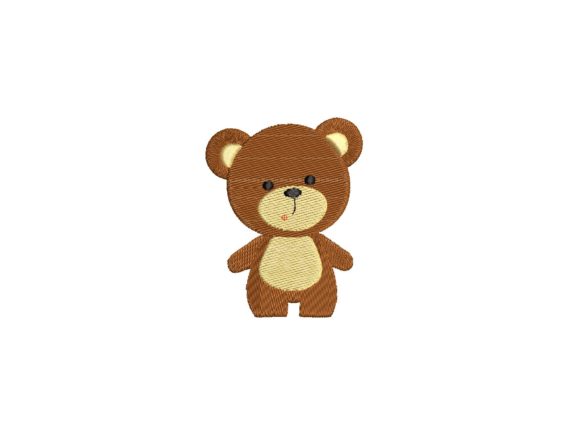
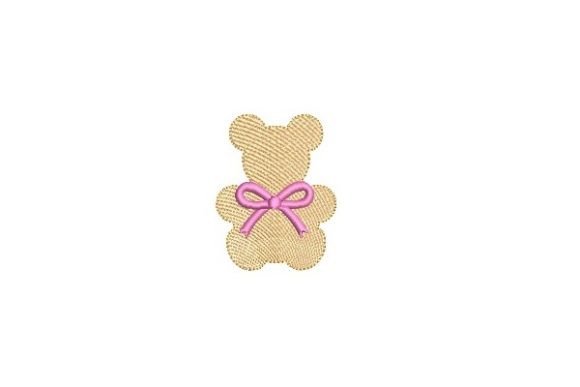
Bear with Bow has a soft, friendly presence. The bear shape is rounded and approachable, and the bow adds a subtle touch of charm without making the design feel overly cutesy or juvenile. That matters for a baby animal embroidery because it means the design can work for a wider range of products—not just onesie sets, but also boutique-quality gifts, keepsake items, and even home decor. The bow anchors the composition visually, giving the eye a natural focal point. As a designer, I immediately thought about how this would look on a light-colored sweatshirt embroidery or a natural linen tote bag design. The mood is gentle, thoughtful, and gift-ready.
Real Use Case: Testing on a Custom Baby Gift
I stitched Bear with Bow onto a medium-weight cotton sweatshirt as a personalized gift for a friend’s newborn. The design handled the fabric well, with no puckering or distortion around the bow area. I used a medium-weight tear-away stabilizer and a 4x4 hoop, which was plenty of room for the size I tested. The satin stitch on the bow edges came out crisp, and the fill stitch in the bear’s body laid down evenly without any visible gaps. I chose a soft gray thread for the bear and a dusty rose for the bow, and the contrast was strong enough to read well from a few feet away. If I were selling this as a finished product, I would feel confident listing it in a baby embroidery shop or as a custom order option.
How Bear with Bow Performs Across Different Products
Part of evaluating a digital embroidery file is thinking through how many product categories it can serve. Bear with Bow is versatile enough to work on several types of blanks, which is important for anyone running a craft business or an Etsy seller shop looking to streamline their design assets.
- Custom apparel – On toddler tees, sweatshirts, and button-up rompers, the design keeps its shape well. Because the bow detail is not excessively tiny, it doesn’t get lost in the fabric texture.
- Tote bags and aprons – A medium-size version of this design on a canvas tote makes a great boutique item. The bow adds a handcrafted feel that customers associate with quality handmade products.
- Embroidered patches – The bear’s outline is clean enough that you could stitch it as a patch with a border stitch and then trim close. The bow would need careful cutting, but it’s doable with a steady hand.
- Pillow covers and tea towels – For home decor, this design works well on a small throw pillow or a kitchen towel as a gift item. The stitch density is moderate, so it won’t make the fabric stiff.
- Holiday gifts – With a simple thread color change, the bow could shift to a holiday red or a metallic gold, making the design feel seasonal without any edits to the file.
Where to Use This Design with Care
No embroidery design is perfect for every surface, and Bear with Bow has a few considerations worth noting before you load it into your machine.
- Small hoop sizes – If you’re working in a 4x4 hoop, the design fits comfortably at a medium scale. But if you try to shrink it too small to fit a tiny cap or cuff, the bow detail may lose definition. I recommend testing the smallest size you plan to sell before committing to bulk production.
- Textured or stretchy fabric – On fleece, minky, or ribbed knit, the bear’s fill areas may need a bit more stabilizer control. I would use a cut-away stabilizer for stretchy fabrics to keep the bow’s satin stitch from distorting over time.
- Dark fabric backgrounds – The design relies on clean contrast between the bear and the bow. If you’re stitching on a dark navy or black sweatshirt, consider using a lighter thread color for the bear body so the bow doesn’t blend into the garment. A white or cream thread works well.
- Curved surfaces like caps – The bow sits near the top of the bear’s head, which means on a cap, you’ll want to position the design so the bow doesn’t fall into the curved seam area. A flat front panel works best.
- Frequent washing – For baby items that will be washed often, the running stitch details and bow satin stitch hold up well if you use quality thread and a proper stabilizer. I would recommend a soft cut-away for any garment that will see repeated laundering.
Visual Appeal and Product Value
In the world of commercial embroidery, a design can make or break how a product is perceived. Bear with Bow has a clean, finished look that translates to higher perceived value. When I held the stitched sweatshirt up next to a similar design with a more complicated outline, the bear design actually looked more polished because the bow acts as a natural anchor. Customers who buy personalized gifts or baby embroidery items are often looking for something that feels intentional—not too busy, not too plain. This design hits that balance.
From a brand consistency standpoint, if you run a shop that focuses on gentle, nature-inspired designs, this bear fits right in. It also works well as a standalone design or paired with a small name or initial in a separate hoop. For digital product sellers who create printable mockups or design assets, the bear’s clean silhouette photographs well and doesn’t require heavy editing to look good in a listing image.
Practical Designer Notes Before You Stitch
After working with Bear with Bow across a few different projects, I have a handful of observations that might save you time and thread.
- Test on scrap fabric first – I always run a test stitch on a fabric similar to the final product. For this design, I tested on both cotton twill and a cotton-poly blend to see how the bow behaved. The results were consistent, but the test helped me confirm my hoop size and stabilizer choice.
- Check thread color contrast – The bow is the focal point, so make sure the thread color you choose for it stands out against the bear body. A pastel bow on a pastel bear can look muddy. Go for a slightly deeper or brighter tone on the bow.
- Review stitch density – The stitch density felt moderate to me, which is ideal for a baby animal design. It’s not so dense that it pulls the fabric, but it’s dense enough that the fill areas look solid. If you’re working with a very delicate fabric, you might want to reduce the density slightly in your software, but I didn’t find it necessary for most applications.
- Confirm hoop size – The design comes in many sizes, so measure your hoop before you start. I found that a 4x4 hoop worked well for a medium-sized bear on a toddler garment, but a larger hoop would give you more flexibility for adult apparel or tote bags.
- Inspect small details – The bow’s loops and tails are the most detail-intensive part of the design. If your machine has a tendency to skip stitches on very small satin segments, you may want to run a slow test stitch first. My machine handled it fine at normal speed, but every setup is different.
- Test in black and white mockups – Before committing to thread colors, I printed the design in grayscale to see how the value contrast reads. This helped me avoid a situation where the bow and bear would blend together on a medium-tone fabric.
- Licensing check – Since the design description notes that it can be used in multiple formats and for multiple purposes, I recommend confirming the specific license terms before selling finished items or digital products. This is a standard step for any embroidery file you use commercially.
Thinking Through the Finished Product
When I picture Bear with Bow in a shop setting, I see it on a soft cream sweatshirt embroidery display, or as a featured embroidered patch on a canvas tote at a craft fair. The design has a quiet charm that appeals to customers looking for a meaningful personalized gift without the fuss of overly complex artwork. It also works well in a baby embroidery collection alongside other simple animal motifs, because the bow gives it a distinct identity.
For anyone running a small shop product line, this design is a solid addition to your digital library. It doesn’t require constant babysitting during stitching, it adapts to multiple fabric types, and it photographs well for printable mockup listings. The handmade product feel is there without being overly rustic—it’s polished enough for a boutique, but simple enough to keep production time reasonable.
Final Thoughts for Designers and Shop Owners
Bear with Bow is the kind of machine embroidery design that earns its place in a rotation. It’s not trying to be the most intricate design in your collection, but it delivers where it counts: stitch quality, versatility, and customer appeal. Whether you’re stitching it for a one-off personalized gift or adding it to a lineup of commercial embroidery products, it holds up to real use.
If you’re on the fence about this design, I would say go ahead and test it on a blank you already stock. The embroidery project will tell you everything you need to know about how it fits your workflow. And if you’re an Etsy seller or creative entrepreneur looking for dependable design assets, this bear is a safe bet that won’t disappoint your customers.