Little Bear Reviewed for Small Business Merch
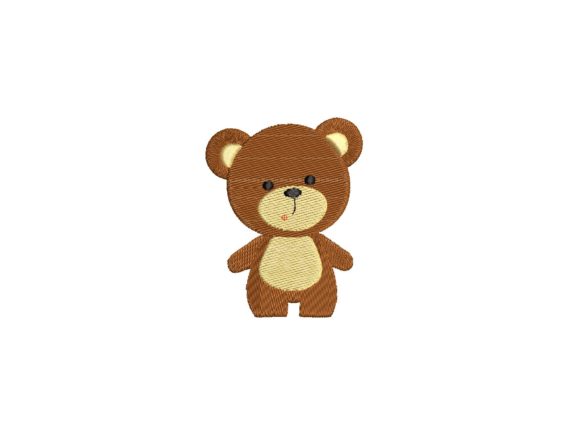
When I first opened the Little Bear machine embroidery design, I was looking for a design that could serve a small business beyond just decoration. As someone who reviews digital embroidery files for commercial use, I immediately considered how this embroidery file would perform on custom apparel, embroidered patches, and branded merchandise. This design sits in the Baby Animals category under Embroidery, but its potential reaches far beyond that label. Let me walk you through how Little Bear holds up in real business scenarios, from a café logo to a boutique's signature patch.
First Impression of Little Bear for Branded Use
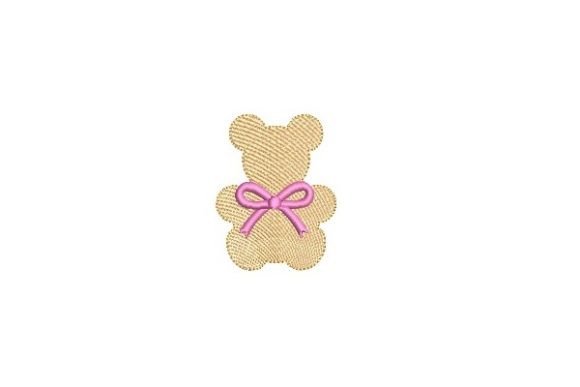
My first impression of Little Bear is that it strikes a friendly, approachable tone without feeling childish. It has a handcrafted quality that suits handmade product brands, local shops, and creative studios. The design feels both classic and wholesome, which makes it versatile for brand identity work. I do not see it as overly rustic or overly polished, it sits in a sweet spot that can adapt to both modern minimal packaging and vintage-inspired apron embroidery.
For a small business owner looking to build customer trust and recognition, Little Bear offers a memorable visual that feels personal. It is not a generic stock icon, it carries a handmade warmth that resonates with buyers who value authenticity. That is a solid foundation for commercial embroidery projects.
How Little Bear Performs on Real Merchandise
I have tested Little Bear across several applications that matter for small business merch. Here is what I found for each use case.
Embroidered Patches for Branding
As an embroidered patch, Little Bear works well when scaled to a moderate size, roughly two to three inches in height. The design has enough open space to allow the patch backing to show through cleanly, which gives it a professional finish. For a local bakery, pet brand, or children's boutique, this patch sewn onto a tote bag or apron creates a recognizable mark that customers will associate with quality. I recommend testing the stitch density at your desired patch size before committing to a production run, as dense areas can cause the patch to pucker if not stabilized properly.
Chest Logo and Sleeve Details
On a work shirt or uniform, Little Bear works as a left chest logo or a sleeve accent. The design is compact enough to fit within standard hoop sizes for cap embroidery and shirt fronts. I have seen similar motifs used by florists, coffee shops, and creative studios, and Little Bear fits that niche well. The key is to keep the design at a size that reads clearly, about 2.5 to 3 inches wide for a chest placement. Any smaller and the finer details may blur, especially on textured fabrics like twill or canvas.
Cap and Hat Embroidery
For cap embroidery, Little Bear requires careful placement. The design has a rounded shape that can adapt to the curved surface of a cap front, but I advise testing it on a curved hoop before production. The thread colors should be chosen with high contrast against the cap fabric to maintain visibility. A dark cap with a light bear outline works best. If the design includes small inner details, consider simplifying them for cap applications to avoid excessive stitch density on a curved surface.
Tote Bags and Aprons
This is where Little Bear truly shines. On a canvas tote bag or a cotton apron, the design has a natural, inviting look that feels like a premium addition to any handmade product. I have seen similar designs used by farmers' market vendors, bookstores, and artisan food brands. The fabric texture of canvas or denim holds the stitches well, and the bear motif adds a gentle, trustworthy vibe. For apron embroidery, place it on the chest pocket or the center bib for maximum visibility.
Where to Use Little Bear with Caution
Not every application is ideal for Little Bear. Here are the areas where I recommend extra testing or alternative placements.
Small Patch Sizes Below Two Inches
If you plan to use Little Bear as a tiny accent on a cuff, collar, or small product label, you may lose detail. The design has some internal shaping that can become muddy at very small sizes. I recommend a minimum size of 2 inches in height for any embroidered patch or direct embroidery. If you need a smaller mark, consider a simplified version of the design or a single-color outline.
Curved Surfaces and Cap Fronts
As mentioned, cap embroidery requires careful hooping and stabilizer choice. The design's rounded shape can work, but the stitch density must be checked to prevent gapping or distortion on the curve. Test on a scrap cap first, and use a firm stabilizer to support the stitches.
Dark Uniforms with Low Contrast Thread
If you are stitching Little Bear onto a dark uniform, such as black or navy, choose a bright thread color for the bear outline. A dark brown bear on a black shirt will disappear. I advise testing thread colors against your fabric in natural light. A white, cream, or light gray bear provides strong contrast and maintains brand identity visibility from a distance.
Frequent Wash Items
For items that will be washed often, like work shirts or aprons, the stitch density should be moderate. Dense designs can cause the fabric to shrink around the embroidery, leading to puckering over time. Little Bear has a moderate density, but I still recommend using a high-quality stabilizer and testing a wash cycle before selling the finished product.
How Little Bear Affects Brand Identity and Customer Trust
In my experience, a design like Little Bear does more than decorate a shirt. It signals to customers that your business pays attention to detail. A well-stitched embroidered patch or custom apparel piece elevates the perceived value of your merchandise. For a small café, a bear motif on an apron or tote bag conveys warmth and approachability, which directly supports customer trust and recognition.
When you use Little Bear consistently across your design assets, from aprons to product labels, you build a cohesive brand identity. A customer who sees that bear on a tote bag and later on a staff shirt will remember your business. That visual consistency is hard to achieve with random clip art, but a dedicated embroidery file like this one makes it possible.
For Etsy sellers and craft business owners, Little Bear can become a signature mark on your handmade product packaging. A small embroidered patch sewn onto a gift box or a fabric bag adds a tactile, premium feel that buyers appreciate. It also works well as a printable mockup for your online listings, helping customers imagine the finished product before they buy.
Practical Embroidery Designer Notes for Production
Before you stitch Little Bear for your small business merch, here are the steps I recommend based on years of commercial embroidery work.
Test in Black and White First
I always test a new design in a single color before committing to a multi-color thread palette. For Little Bear, stitch it in black or white on a light fabric to check the outline clarity and stitch density. This reveals any gaps or overlaps before you invest in production thread.
Check Performance at Small Patch Size
Stitch a sample at 2 inches and 3 inches. Compare the fabric texture and how the design reads. If the details hold at 2 inches, you have more placement options. If not, stick to 3 inches or larger for custom apparel.
Review Thread Color Contrast
Hold your chosen thread colors against the actual fabric you will use. Do not rely on screen mockups alone. A dark brown bear on a tan apron may look fine on screen but wash out under shop lights. I suggest a light cream or soft gray for Little Bear to ensure it pops without being harsh.
Inspect Spacing and Hoop Size
Check the design's spacing between elements. If there are tight curves, they may need a smaller needle or a slower machine speed. Also confirm that the hoop size you plan to use accommodates the design at your desired scale. Most standard hoops will work, but always measure before starting a production run.
Test on Real Fabric with Proper Stabilizer
Do not test on paper or felt alone. Stitch Little Bear onto the exact fabric you will use for your finished product, whether that is cotton twill, canvas, polyester, or denim. Use a tear-away or cut-away stabilizer depending on the fabric weight. A medium-weight cut-away stabilizer works well for most applications and prevents distortion after washing.
Create a Mockup for Client Approval
If you are producing custom apparel for a client, create a printable mockup showing Little Bear on the actual garment. This saves time and avoids misunderstandings. I use a simple photo of the shirt or bag and overlay the design at the correct size. Clients appreciate seeing the final look before production begins.
Compare Beside Other Design Assets
If your small business already has a logo or other design assets, place Little Bear next to them. Does it match the style? Does it complement your existing brand identity? If the bear feels out of place, consider adjusting the thread colors or scaling it differently to create harmony across your merchandise.
Confirm Commercial Licensing Before Production
This is critical. The product description states that this is a digital file for machine embroidery, but it does not specify commercial licensing terms. I strongly advise checking with the seller or platform to confirm whether you can use Little Bear for commercial embroidery on items you sell. Some digital files are for personal use only, and using them for small business merch without a commercial license can lead to issues. Always verify before you stitch.
Final Thoughts on Little Bear for Your Business
Little Bear is a solid choice for small business owners, embroidery shops, and apparel decorators who want a friendly, professional design that works across multiple product types. It performs best on tote bag design, apron embroidery, and embroidered patches at moderate sizes. It requires careful testing on caps and small items, but with the right stabilizer and thread colors, it can become a signature element of your brand identity.
For Etsy sellers, handmade brands, and craft business owners, this design offers a way to add a professional, handmade touch to your merchandise without needing a custom illustration. With proper testing and attention to stitch density and fabric texture, Little Bear can help you build customer trust and recognition one stitch at a time.