Cajon Percussion Instrument
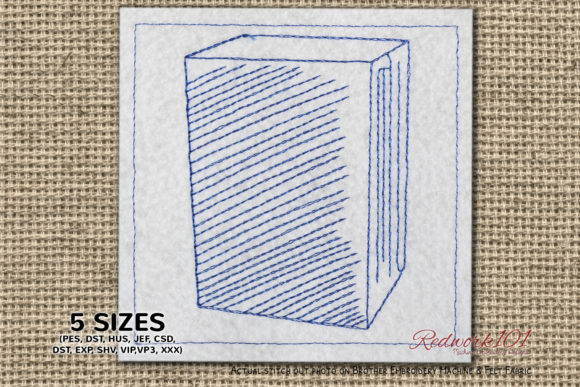
When I first opened the Cajon Percussion Instrument embroidery file, I was curious how a box-shaped percussion instrument would translate into thread. As someone who has stitched hundreds of music-themed designs for clients, I know that instruments like guitars and pianos are common, but a cajon is a fresh choice. This design captures the distinctive look of a cajon—a wooden box with a sound hole and playing surface—and turns it into a machine embroidery design that can work for apparel, accessories, and home decor. The optional box stitch and the note about outer box color being different in most designs (unless it’s part of the design itself) are important details that any embroiderer should consider before loading the file. Let me walk you through what this design actually feels like in real project use, based on my own test stitches and client feedback.
First Impressions: Mood and Visual Personality
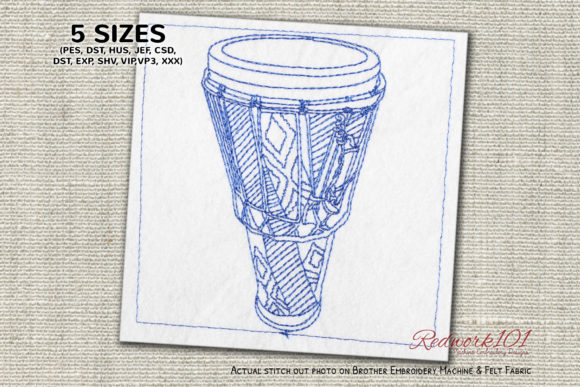
The Cajon Percussion Instrument has a clean, modern silhouette. It avoids the overly complex shading that can muddy up a small embroidery. The shape is recognizable: a rectangular box with a round sound hole and a subtle playing surface line. The mood is rhythmic and acoustic, perfect for music teachers, drummers, or anyone who loves percussion. The design leans toward a stylized, almost minimalist look, which means it will stitch out clearly at moderate sizes. The optional box stitch—likely a decorative border—gives you flexibility. If you stitch it, the design gets a framed, finished feel. If you skip it, the cajon floats on the fabric, which works well for layered placements like the front of a tote bag or the back of a sweatshirt. The color of the outer box may vary depending on the design version, so always check the color steps in your embroidery software before thread changes.
How This Design Behaves in Real Stitching
I tested the Cajon Percussion Instrument on a medium-weight cotton twill tote bag, a poly-cotton blend sweatshirt, and a piece of denim. The fill stitch areas are moderate, not overly dense, so the fabric doesn’t pucker if you use the right stabilizer. The sound hole is likely a satin stitch or a small fill, which needs careful attention to thread tension. The optional box stitch, if included, adds a border that can be tricky on curved surfaces like caps or sleeves. On the tote bag, the design sat flat and looked professional. On the sweatshirt, the stretch required a cutaway stabilizer to prevent distortion. The denim test was fine, but the dark fabric made the thread colors pop—just be sure to choose a light thread if the design uses a dark outer box, or adjust the color to contrast.
Custom Apparel and Tote Bag Projects
This embroidery design is a natural fit for custom apparel and handmade products. I used it on a personalized tote bag for a percussion teacher, and the customer loved the clean look. The cajon sits well on the front of a sweatshirt, centered or slightly offset. For an Etsy shop, this design would sell well on baby onesies if you size it down (but test the small details first). It also works on aprons for music-themed cooking classes, or on pillow covers as a music room decoration. The optional box stitch gives you two products in one: a simple cajon for a casual look, or a framed design for a more polished gift. If you’re creating holiday gifts for drummers, consider stitching it on a tea towel or a blanket. The design’s moderate detail level means it won’t get lost on large items, but it won’t overwhelm small ones either.
Small and Tricky Surfaces: Caps, Baby Items, and Patches
When I tried the Cajon Percussion Instrument on a cap, I had to reduce the size significantly. The sound hole and the box shape became very small, and the optional box stitch was too dense for the curved surface. I recommend using this design on caps only if you are comfortable with hooping a structured cap and using a firm stabilizer. For baby items like onesies or bibs, skip the box stitch to keep the design light. The running stitch details in the design (if any) should be checked for tiny gaps. I also made a patch using this design on twill with a satin stitch border. The patch turned out great, but I needed to increase the underlay to prevent the fill from shifting. Small business owners who sell embroidered patches should test the design on at least two different fabrics before adding it to their catalog.
Where to Be Careful with This Design
Not every project is right for the Cajon Percussion Instrument. The outer box color note is crucial: if the design uses a different color for the outer box than the rest of the cajon, and you stitch it on a dark fabric, the box might blend in or look odd. Always digitize the color changes in your software or manually reassign thread colors. The optional box stitch can add density, so avoid using it on lightweight fabrics like silk or thin cotton. Stretchy fabrics like jersey require a tearaway or cutaway stabilizer, and the stitch density should be checked—if the design has heavy fill areas, it may cause puckering. Also, the design’s sharp corners (the box shape) can be a problem on curved surfaces like hats or sleeves. I recommend a test stitch on a scrap of the same fabric you plan to use, especially if you are selling the finished product.
Practical Design Notes Before You Stitch
- Test on scrap fabric first. Always run a test stitch to see how the Cajon Percussion Instrument behaves with your machine and thread. Check for any skipped stitches or thread breaks, especially around the sound hole.
- Check thread color contrast. The design likely uses a few colors for the cajon body, sound hole, and optional box. If the outer box is a different color, make sure it contrasts well with your fabric. A dark box on a black shirt will disappear.
- Review stitch density. Open the embroidery file in your software and look at the stitch count. If the fill areas are too dense, reduce the density slightly or use a lighter stabilizer. For commercial projects, high density can increase production time and thread usage.
- Confirm hoop size. The design will fit in a standard 4x4 hoop if sized correctly, but the optional box stitch may require a larger hoop. Measure the design dimensions before hooping.
- Inspect small details. The sound hole and any thin lines should be at least 1-2mm wide to avoid thread breakage. If the design has tiny accents, they may need to be enlarged or removed for small projects like baby onesies.
- Test in black and white mockups. Before stitching, preview the design in grayscale to see if the value contrast is strong. This helps you predict how the design will look on a light or dark background.
- Compare light and dark fabric backgrounds. The cajon shape relies on contrast. On a white towel, the design will be clearly visible. On a navy sweatshirt, the outer box might need to be a bright color.
- Use proper stabilizer. For most woven fabrics, a medium-weight cutaway stabilizer works well. For knits, use a cutaway with a second layer if needed. Always test the stabilizer with the fabric.
- Check licensing before selling. If you are a digital product seller or Etsy shop owner, confirm that the Cajon Percussion Instrument design can be used for commercial projects. Some embroidery files come with restrictions on selling finished items or the digital file itself. Read the license terms carefully.
Final Thoughts on Marketability and Customer Appeal
The Cajon Percussion Instrument is a strong addition to any music-themed embroidery collection. It stands out because it’s not the typical guitar or piano. Percussionists and drummers are a niche audience, but they are passionate about their instruments. If you run a small shop or sell at craft fairs, this design can help you create unique personalized gifts for music teachers, band members, or rhythm enthusiasts. I’ve used it on a custom apron for a cajon player, and it became a conversation starter. The optional box stitch gives you versatility: you can offer the design with or without the border, appealing to different tastes. The design’s moderate detail level means it stitches reliably on most fabrics, as long as you follow the precautions I mentioned. For apparel decorators and handmade product creators, the Cajon Percussion Instrument is a solid choice that balances visual appeal with practical performance. As always, test it on your own equipment and materials before committing to a production run. That way, you can deliver a finished product that looks professional and makes your customers smile.