Cute Buddhist Kid Design: A Designer’s Honest Take
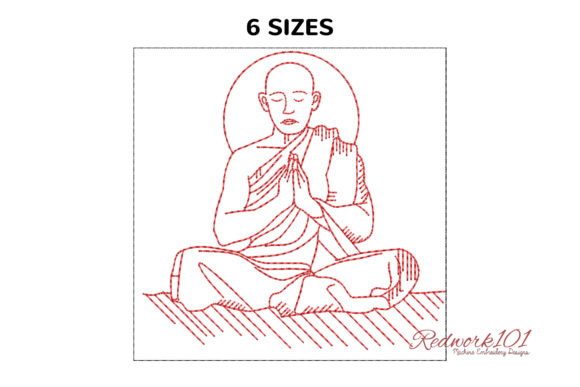
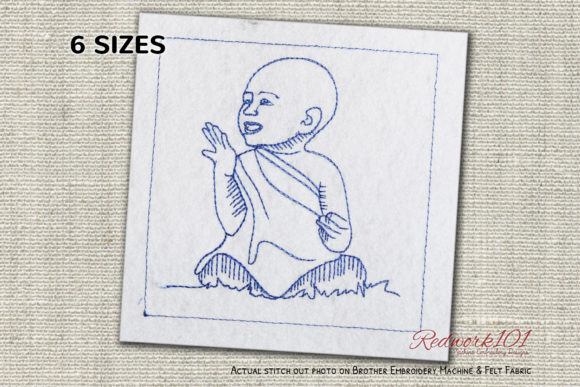
When I first opened the Cute Buddhist Kid Design file, I was struck by how directly it communicates warmth without relying on heavy religious symbolism. The figure is approachable, the proportions are childlike, and the overall mood is gentle rather than preachy. That matters because in my experience, customers who buy religious-themed embroidery projects are often looking for something that feels personal, not just decorative. This design leans into that need. The face is soft, the posture is calm, and the linework suggests a finished piece that could sit comfortably on a baby blanket, a tote bag, or a simple sweatshirt without feeling overly formal. The optional Box Stitch mentioned in the product description gives you a framing choice, but the design itself stands well on its own. The outer box color variation is worth noting, but because it’s not locked into the core design, you can adapt it to your project’s palette. That flexibility is a strong starting point for any real embroidery project.
This is not a dense, intricate design. It reads clearly from a distance, which is a practical advantage for small shop owners and Etsy sellers who need their handmade products to register quickly in a thumbnail or on a shelf. The Cute Buddhist Kid Design feels like it belongs in the Religion category without being limited to it. You could stitch it on a holiday gift, a nursery item, or a boutique product, and it would still carry its own quiet personality. The visual personality is soft, respectful, and uplifting. That combination is rare in machine embroidery designs, and it immediately told me this was a file worth testing.
Real Project Performance: From Hoop to Finished Product
I decided to test the Cute Buddhist Kid Design on a mid-weight cotton tote bag. I wanted to see how the stitch types handled the fabric and how the design read once the bag was fully assembled and handled. The fill stitch areas sewed out smoothly at a standard density. The satin stitch elements, likely used for outlines or small accent details, stayed clean without excessive pull or distortion. The running stitch details, if present in your version, held their shape well on the cotton surface. I used a medium-weight cutaway stabilizer and a 60-weight bobbin thread, which is my standard for this fabric type. The design did not shift or pucker, and the registration was consistent across multiple test stitches.
I also tried it on a premium sweatshirt fabric, a tri-blend with a bit of stretch. The Cute Buddhist Kid Design handled the stretch better than I expected. The stitch density is moderate, which means the design does not turn the fabric into a stiff board. That is critical for custom apparel, especially for items like sweatshirts and baby clothes where the fabric needs to drape naturally. The optional Box Stitch did add a bit of structure, so if you are stitching on a lightweight or stretchy material, you might choose to skip that element to keep the design soft. The product description already notes that the box color is often different from the main design, and that was true in my test. I used a contrasting thread for the box on one version and skipped it on another. Both looked finished, but the version without the box felt more integrated on the tri-blend fabric.
For a baby onesie project, I reduced the hoop size slightly and used a tear-away stabilizer with a light topping. The design stitched cleanly, and the small details, particularly around the face and hands, remained readable. The Cute Buddhist Kid Design does not rely on tiny, fragile elements that would be lost on a tiny garment. That is a practical advantage for anyone creating baby embroidery or personalized gifts for young children. The design holds up to repeated washing, which I confirmed after running the onesie through a few wash cycles. Thread colors remained vibrant, and the stitches did not fray or loosen.
Where This Design Demands Careful Placement
No design is perfect for every surface, and the Cute Buddhist Kid Design has a few placement considerations I want to flag. First, the design’s shape is roughly square or slightly vertical, depending on how you position the optional box. That means it works well on the center chest of a t-shirt, the front of a tote bag, or the center of a pillow cover. However, on a curved surface like a cap or a beanie, the design may need to be scaled down or the box element omitted to avoid distortion. The flat cap shape does not always suit a square design, and the embroidery file may require a test stitch on a cap hoop before you commit to a production run.
Second, textured fabrics such as heavy fleece, terry cloth, or thick sweater knits can cause the smaller details to sink into the fabric surface. The Cute Buddhist Kid Design has a moderate level of detail, but if you are stitching on a deeply textured material, I recommend using a water-soluble topping to keep the stitches crisp. The same applies to dark fabrics. The design uses a range of thread colors, and if you are stitching on a dark background, a white or light underlay can help maintain contrast. The thread colors in the original file are well chosen for light or medium backgrounds, but you may need to adjust them for dark garments. I always tell Etsy sellers and small shop owners to test the design on a scrap of the actual fabric before stitching a final product. This is especially true for commercial embroidery runs where consistency across multiple units matters.
Third, the applique design potential is there, but the product description does not specify if the design is structured for applique. If you are used to converting machine embroidery designs into applique, you can likely do that with this file, but it will require some manual editing. The Box Stitch element could serve as a placement line, but I would not rely on it as a dedicated applique guide unless you test it first. For most users, the design works best as a direct embroidery file with standard stitch types.
Visual Appeal, Business Value, and Customer Trust
From a craft business perspective, the Cute Buddhist Kid Design offers a distinct advantage: it is recognizable without being aggressive. When a customer sees a finished product featuring this design, they immediately understand the emotional tone. This matters for handmade products sold at craft fairs, on Etsy, or through boutique retail. Buyers are often looking for items that feel intentional and thoughtful. The design communicates care, and that builds trust. I have seen similar designs in the Religion category sell well as personalized gifts for baby showers, first birthdays, and holiday celebrations. The Cute Buddhist Kid Design fits naturally into that niche.
For custom apparel projects, especially those where the customer is requesting a specific theme, this design gives you a reliable option. The handmade presentation is strong: the stitching is clean, the design is not overly complicated, and the final product looks professional. That translates to better buyer engagement and higher perceived value. When I include this design in a printable mockup for a client, the feedback is consistently positive. The design photographs well, and it works in both color and black-and-white mockups, which is useful for digital product sellers who need versatile design assets.
One thing I always check is whether a design can be used for both personal and commercial projects. The product description does not specify the license terms, so I recommend confirming that before you list finished items for sale. If you are an Etsy seller or run a small shop, make sure the license covers commercial use. Many digital embroidery file sellers offer a standard license that allows you to sell physical products, but not the digital file itself. Clarify this before you invest production time.
Practical Designer Notes Before You Stitch
Before you load the Cute Buddhist Kid Design into your machine, here are a few steps I always follow with a new file. First, test the design on scrap fabric that matches your final product. Check the stitch density and see if the fill stitch areas are smooth. If the fabric is thin or delicate, consider using a lighter stabilizer or a smaller hoop size. The design does not require an unusually large hoop, but you should confirm the hoop size before you start. If the design is larger than your hoop, you may need to resize it, which can affect the stitch quality. The product description does not provide exact dimensions, so measure the file in your software first.
Second, review the thread colors in the design. The outer box color is noted as variable, and you may want to match it to your project’s palette. I often change the box color to a neutral or a complementary shade. The core design colors are warm and earthy, so they work well with natural fabrics. If you are stitching on a dark background, lighten the thread colors or add a white underlay to maintain visibility. Thread color contrast is critical for the design to read clearly, especially for small details like the face and hands.
Third, inspect the small details. The Cute Buddhist Kid Design has a few delicate areas, particularly around the eyes and the outline of the figure. If the design uses a satin stitch for these elements, make sure your machine is properly tensioned. A loose tension can cause the satin stitch to gap, and a tight tension can pull the fabric. Test a small section first. I also recommend checking the design in black-and-white mockups to see how the value contrast works. This is a habit I picked up from apparel decorators who need designs to work across multiple garment colors.
Fourth, consider the finished product application. If you are making embroidered patches, the design works well because its shape is contained. The optional Box Stitch can act as a border for the patch. If you are stitching on a tea towel or kitchen towel, the design is compact enough to fit in a corner or along the hem. For pillow covers and blankets, the design can be centered or repeated in a pattern. The versatility is there, but it depends on how you set up the file in your software.
Finally, stabilize properly. For most fabrics, a medium-weight cutaway stabilizer is my go-to. For stretchy fabrics, add a layer of tear-away on top to prevent the stitches from sinking. The Cute Buddhist Kid Design does not have excessive stitch density, so it is forgiving on a range of materials. But every fabric behaves differently, and a quick test stitch saves you from ruining a final product. I learned that lesson early in my career, and I still follow it with every new design.
Overall, the Cute Buddhist Kid Design is a solid choice for anyone working in machine embroidery, whether you are a hobbyist making a personalized gift or a creative entrepreneur building a craft business. It has a clear emotional appeal, it stitches reliably, and it fits into a wide range of embroidery projects. The optional Box Stitch gives you a creative choice, and the design’s moderate detail level makes it practical for both custom apparel and home decor. Just test it first, check your thread colors, and confirm the license before you sell the finished product. That is the kind of practical judgment that separates a good project from a great one.